چهارشنبه، 12 آذر ماه 1404 = 03-12 2025
سالمترین نون سنتی کدومه؟ سنگگ، بربری، لواش یا تافتون: ببینید
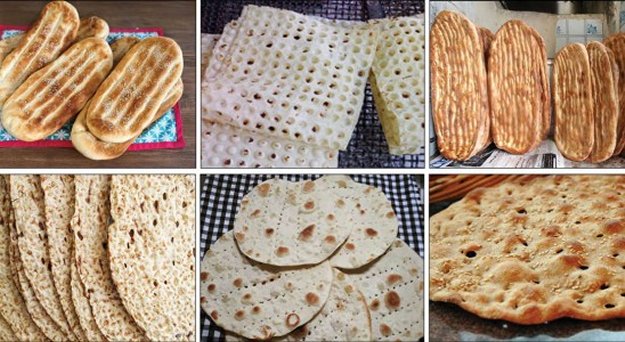
در ایران، نان فقط یک خوراک روزمره نیست؛ بخشی از هویت فرهنگی و عاطفی مردم است. از عطر سنگک داغ گرفته تا نان بربری، هیچ غذایی به اندازه نان در زندگی ایرانیان حضور ثابت نداشته است. با این حال، در هیاهوی امروز و سرعت زندگی شهری، بسیاری تنها «برای سیر شدن» نان میخرند و فرصت نمیکنند به این فکر کنند که هر قرص نانی که خورده میشود، چه نقشی در سلامت فرد دارد.
انتخاب نان سالم، برخلاف تصور عمومی، از همان نخستین مرحله شروع میشود: از نوع آرد، میزان سبوس، روش تخمیر و شیوه پخت. اگر این جزئیات نادیده گرفته شوند، نتیجهاش نانی است که نهتنها ارزش غذایی پایینی دارد، بلکه به افزایش ضایعات و مشکلات تغذیهای دامن میزند. همین تناقض میان «جایگاه تاریخی نان» و «کیفیت امروزی آن» بحث سلامت نان را به یکی از مهمترین موضوعات تغذیهای ایران تبدیل کرده است. (فیلم زیر)
www.youtube.com/watch?v=4N7HNBjQFg0
با استفاده از لینک زیر می توانید ویدیوی مزبور را دانلود کرده و به اشتراک بگذارید. برای دانلود این ویدیو از سایت ایران پرس نیوز خارج میشوید.
DOWNLOAD
 English Summary
In Iran, bread is not merely a daily food; it embodies a significant part of the cultural and emotional identity of the people. From the aroma of freshly baked sangak to barbari, no food holds a more permanent place in Iranian life than bread. However, in today’s fast-paced urban life, many buy bread just to fill their stomachs, often neglecting its impact on their health.
Choosing healthy bread begins at the very first stages: the type of flour, the amount of bran, fermentation methods, and baking techniques. Overlooking these details results in bread that not only has low nutritional value but also contributes to waste and nutritional issues. This contradiction between the "historical significance of bread" and its "current quality" has made the topic of bread health one of the most crucial nutritional discussions in Iran.