دوشنبه، 15 دی ماه 1404 = 05-01 2026
رسانه معتبر آمریکایی: درهای جهنم بهروی جمهوری اسلامی باز شده است
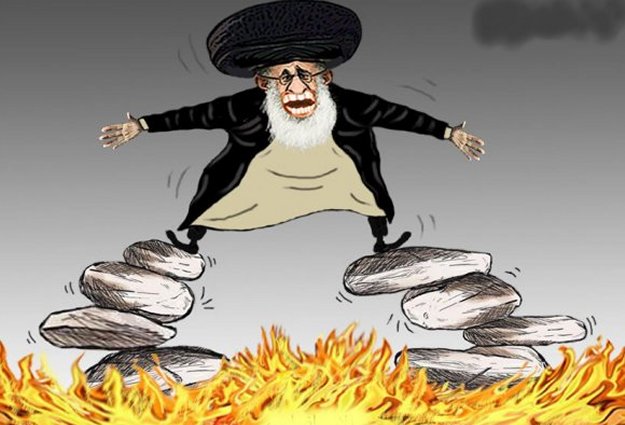
روزنامه نیویورک تایمز در مقالهای تحلیلی از موج جدید اعتراضات در ایران نوشت که جمهوری اسلامی در وضعیتی بیسابقه میان خشم فزاینده مردم و فشارهای خارجی گرفتار شده و بیش از هر زمان دیگری درگیر تلاش برای بقا است.
بهنوشته این روزنامه آمریکایی، مقامات جمهوری اسلامی طی سالهای گذشته با سرکوب خشونتبار اعتراضات توانستهاند نارضایتیها را بهطور مقطعی مهار کنند، اما اینبار شرایط متفاوت است. ترکیب فروپاشی اقتصادی، سقوط ارزش پول ملی، تحریمها، سوءمدیریت مزمن و فساد فراگیر، توان تصمیمگیری و واکنش مؤثر را از حاکمیت گرفته است.
نیویورک تایمز گزارش میدهد که اعتراضات اخیر عمدتاً در شهرهای کوچک، مناطق محروم، بازارها و دانشگاهها جریان دارد و شعارها مستقیماً کلیت جمهوری اسلامی و شخص رهبر را هدف قرار دادهاند. تعطیلی بازار، تجمعهای کارگری و اعتراضات دانشجویی نشانههای روشنی از نارضایتی عمیق اجتماعی است.
نیویورک تایمز در مقاله خود بهنقل از برخی از مقامات رژیم مینویسد که مسعود پزشکیان بهطور علنی اعتراف کرده که راهحلی برای بحرانهای انباشته کشور ندارد. اقدامات محدود دولت، از جمله تغییر رئیس بانک مرکزی و دستکاری سیاستهای ارزی، هیچ اثر محسوسی بر زندگی مردم نداشته و حل بحران بدون توافق هستهای و رفع تحریمها عملاً ناممکن به نظر میرسد؛ گزینهای که حاکمیت تمایلی به آن نشان نمیدهد.
بهنوشته این روزنامه، نگرانی جدی در سطوح بالای حکومت این است که اگر نیروهای امنیتی و نظامی نیز زیر فشار معیشتی قرار گیرند، ستونهای سرکوب فرو خواهد ریخت. پس از تهدید ترامپ به مداخله در صورت سرکوب خونین، شورای عالی امنیت جمهوری اسلامی جلسه اضطراری برگزار کرده تا هم شدت خشونت را کاهش دهد و هم برای سناریوی حمله خارجی آماده شود.
سه مقام حکومتی که نخواستند نامشان فاش شود، به نیویورک تایمز گفتهاند رهبران جمهوری اسلامی اکنون نه به فکر حل بحران، بلکه صرفاً در پی جان بهدر بردن از این مرحله هستند. به باور تحلیلگران، حکومت فاقد هرگونه راهبرد روشن است و حتی احتمال داده میشود اجازه دهد نارضایتی عمومی تخلیه شود، چرا که لحظه انفجار نزدیک ارزیابی میشود.
نیویورک تایمز در ادامه مقاله خود با اشاره به صحبتهای خامنهای که با لحنی تندتر از دولت، معترضان را اغتشاشگر خواند و خواستار برخورد قاطع شد تأکید میکند که در برخی مناطق غربی، اعتراضات شکل سازمانیافتهتر و خشنتری به خود گرفته است.
نیویورک تایمز در پایان تأکید میکند که بحران کنونی، حاصل دههها سرکوب، فساد و ناکارآمدی است؛ بحرانی که نه با سرکوب مهار میشود و نه با وعده. بهنوشته این روزنامه، تا زمانی که جمهوری اسلامی پاسخی واقعی به مطالبات مردم ندهد، خشم اجتماعی فروکش نخواهد کرد و آینده حکومت بیش از هر زمان دیگری در هالهای از ابهام قرار دارد.
 English Summary
The New York Times recently analyzed the new wave of protests in Iran, highlighting the unprecedented situation facing the Islamic Republic amid rising public anger and external pressures. It notes that while the regime has historically suppressed dissent through violence, the current circumstances are markedly different.
The combination of economic collapse, the plummeting value of the national currency, sanctions, chronic mismanagement, and widespread corruption has severely diminished the government's ability to respond effectively. Recent protests are primarily occurring in smaller cities, impoverished areas, markets, and universities, with chants targeting the regime as a whole and directly challenging the Supreme Leader.
The article cites regime officials, including Massoud Pezeshkian, who openly admit to lacking solutions for the country’s accumulated crises. Limited actions by the government, such as changing the central bank president and manipulating currency policies, have had negligible impacts on citizens' lives. The report asserts that resolving the crisis without a nuclear agreement and lifting sanctions seems practically impossible, with the government showing little inclination toward such negotiations.
Concerns are growing within the upper echelons of power that if security and military forces feel economic strain, the pillars of repression may crumble. Following Trump's threats of intervention in the event of violent crackdowns, the Supreme National Security Council convened an emergency meeting to both reduce violence and prepare for potential foreign attacks.
Three unnamed government officials conveyed to the Times that the regime's leaders are currently focused not on addressing the crisis but merely on surviving this phase. Analysts suggest that the government lacks a coherent strategy and may even allow public discontent to boil over, as the moment of potential explosion is deemed imminent.
The report also highlights Khamenei's harsher rhetoric, labeling protesters as rioters and demanding decisive action. In certain western regions, protests have turned more organized and violent.
Ultimately, the New York Times emphasizes that the current crisis is the result of decades of repression, corruption, and inefficiency—issues that cannot be resolved through further suppression or empty promises. Until the Islamic Republic provides real answers to public demands, social anger will not abate, leaving the future of the regime more uncertain than ever.